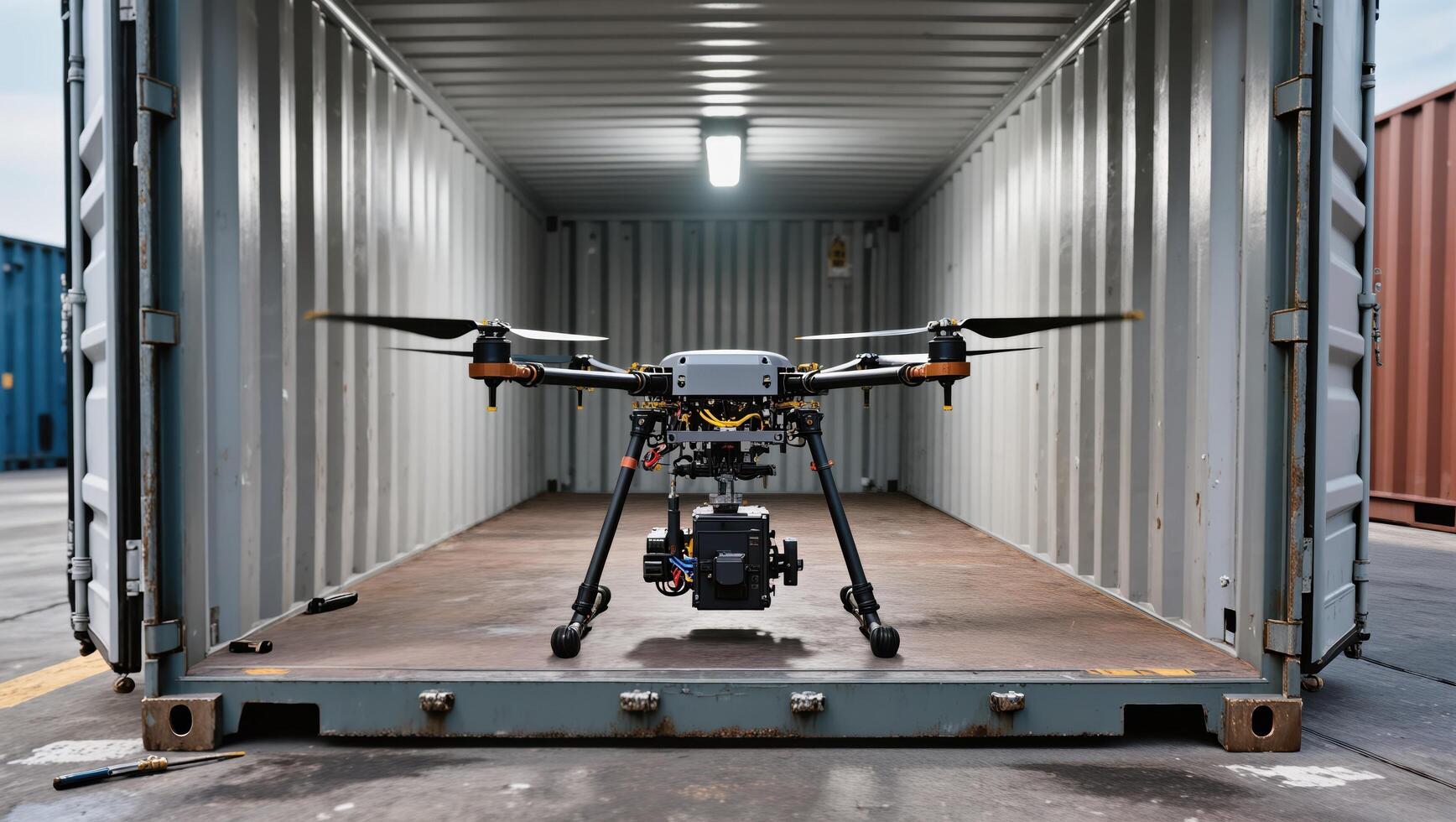
In recent years, drone technology has literally taken flight, transforming industries by offering innovative solutions to complex logistical challenges. Among the most groundbreaking advancements in this field are heavy lift drones, which are capable of carrying substantial payloads across varying terrains and conditions. These drones are revolutionizing sectors from agriculture to filmmaking, showcasing their versatility and effectiveness in managing heavy loads that were once deemed unimaginable for aerial devices. But what exactly defines a heavy lift drone, and where are these remarkable machines being employed?
Understanding Heavy Lift Drones
Heavy lift drones are unmanned aerial vehicles (UAVs) specifically designed to transport considerable weights. Unlike standard drones, which focus on speed and agility, heavy lift drones prioritize strength and capacity. These powerful machines can carry payloads ranging from several kilograms to over a hundred kilograms, depending on the model and design.
Technical Specifications and Capabilities
The technical prowess of heavy lift drones is nothing short of impressive. Most heavy lift drones are equipped with multiple rotors, which provide the necessary lift and stability required for transporting heavy items. Advanced navigation systems allow for precise control and operation, even in challenging environments. Some of the key specifications include:
- Payload Capacity: Can range from 10 kg to over 150 kg.
- Flight Time: Typically between 15 to 60 minutes, varying by load.
- Range: Many models offer a range of up to 20 kilometers, depending on battery life and environmental conditions.
- Materials: Made from high-durability materials like carbon fiber.
Companies like heavy lift drones from Acecore Technologies are leading the way, developing models that push the limits of what these drones can achieve.
Industries Benefiting from Heavy Lift Drones
The potential applications for heavy lift drones span numerous industries, offering new efficiencies and capabilities that were previously unattainable. Below are some of the primary sectors where these drones are making an impact:
- Agriculture: Heavy lift drones are used for crop spraying, seeding, and transporting supplies across large agricultural lands, optimizing both time and labor.
- Film and Media: In the world of entertainment, these drones provide filmmakers the ability to capture aerial shots while carrying cinema-grade cameras and equipment.
- Construction: Drones are employed to lift construction materials to hard-to-reach places, facilitating safer and more efficient building processes.
- Emergency Response: From delivering medical supplies to disaster areas to assisting in search and rescue missions, heavy lift drones play a crucial role in emergency management.
The Future of Heavy Lift Drones
As technology advances, the future of heavy lift drones looks promising. Innovations in battery technology and materials science are likely to increase their load capacity and flight duration, making them even more versatile. The integration of artificial intelligence and improved autonomy could lead to more intelligent and responsive drones, capable of navigating complex environments with minimal human intervention.
Taking Flight
In a world where efficiency and innovation are paramount, heavy lift drones are literally changing the game across multiple industries. These powerful machines are not merely a technological marvel; they represent a shift in how we approach logistics and problem-solving. As we continue to explore their potential, the sky is truly the limit – for these remarkable flying machines and the industries that embrace them.